A gentler, more practical way to feel at home in front of the camera. Here is a practical place to begin, with room for your own pace and perspective.
Start before the camera comes out
There is a difference between looking confident for a photograph and feeling comfortable enough to experiment. The second is usually a better place to begin. Confidence is not a facial expression you have to copy. It is the familiarity that comes from practicing a skill in a setting where mistakes are allowed.
Before you start photographing yourself, take a minute to notice your posture. Let your shoulders settle, soften your knees, and breathe normally. You are not trying to stand perfectly. You are simply giving yourself a comfortable starting point.
Choose three movements, not thirty poses
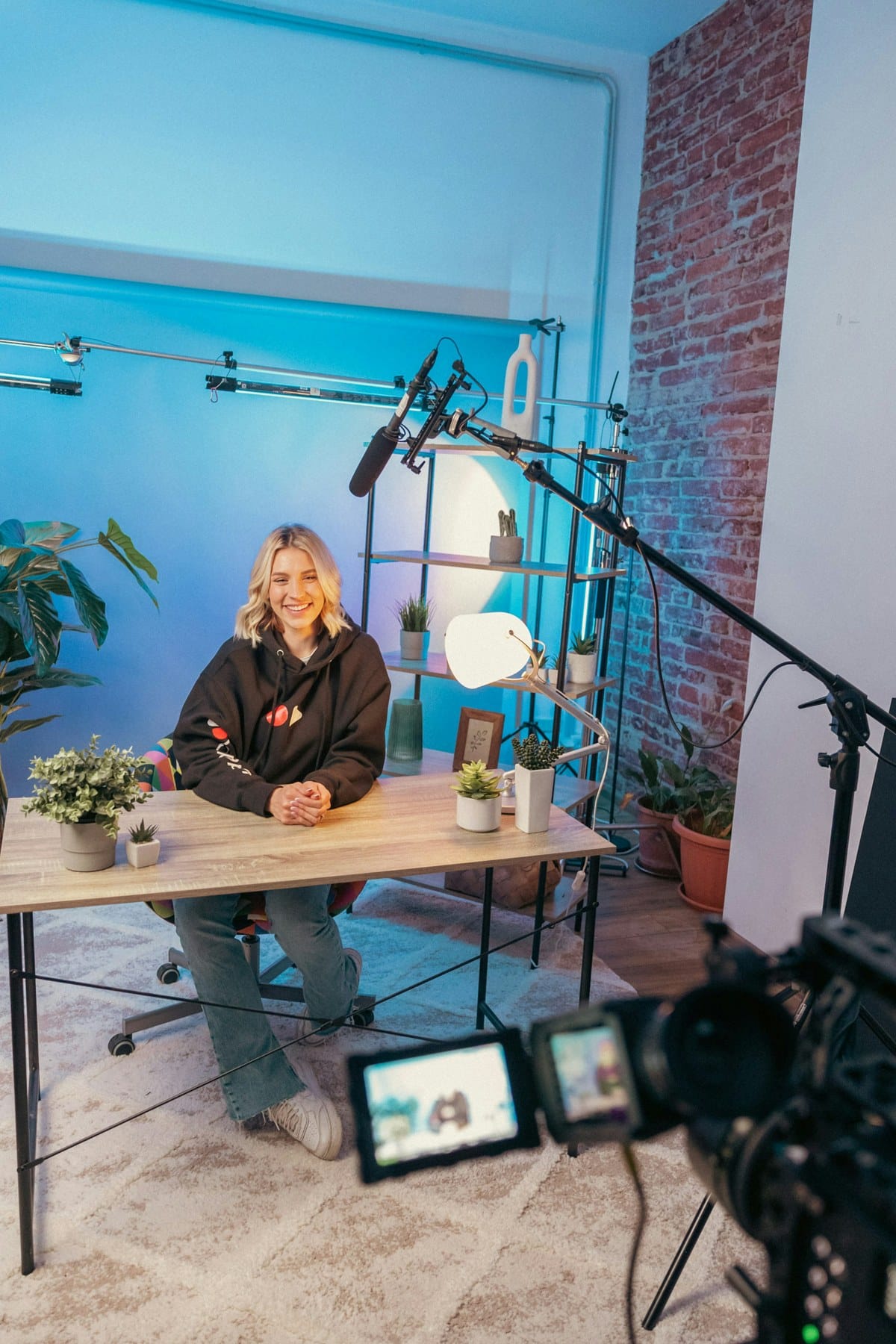
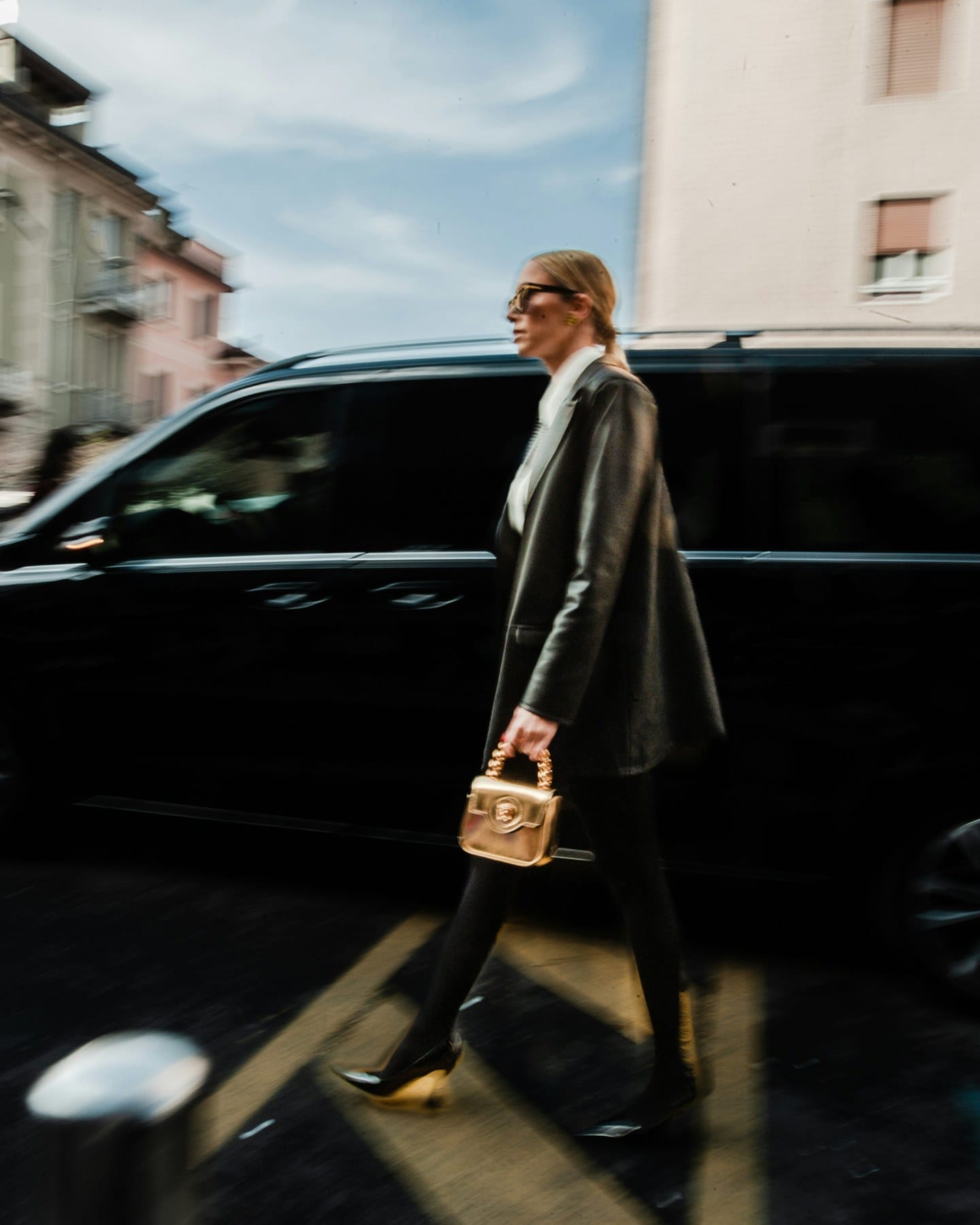
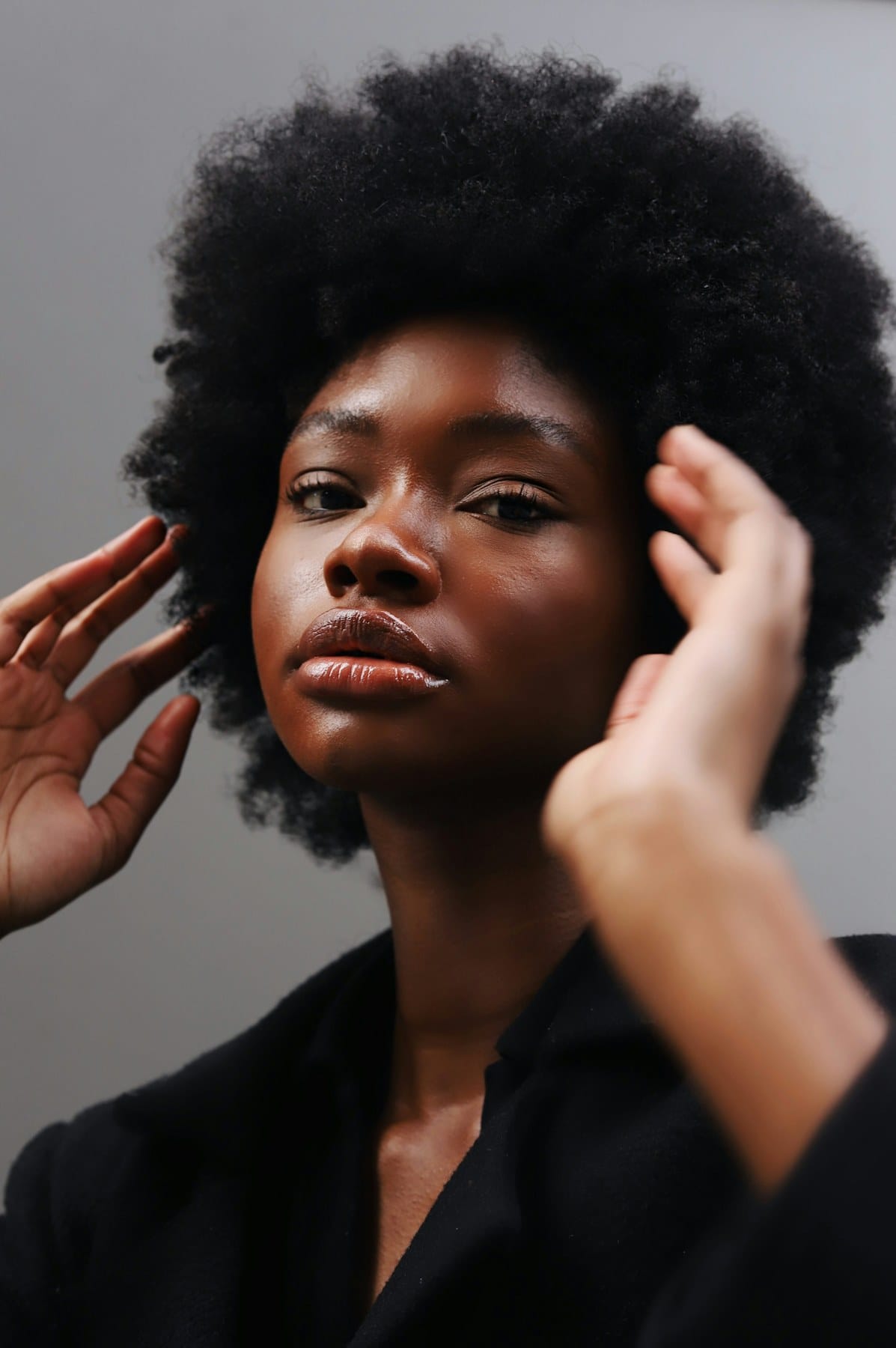
Too many references can make practice feel like a memory test. Choose three small movements instead: shifting your weight, turning slightly toward the light, and changing the position of your hands. Move between them slowly. A short video can help you see transitions that a single photograph misses.
Keep the first session to ten minutes. Use a stable phone support, clear the floor around you, and avoid positions that strain your neck, back, or joints. A useful practice session is one you can repeat safely.
Review like a creative director, not a critic
Look through your images and describe what you see in neutral terms. “The light is clearer when I turn left” gives you something to use. “I look terrible” does not. Choose one image where the posture feels natural and identify why.
Save a small set of practice images in a private folder. You do not need to publish them, ask strangers for feedback, or compare your first attempt with someone else’s finished campaign.
Build a repeatable ritual
Try the same short practice once or twice a week. Keep the light and camera position similar so you can notice changes in movement rather than changes in equipment. Add one new skill only when the original movements feel familiar.
Progress might mean you hesitate less, understand an angle better, or finish a session without deleting every image. Those are useful milestones. Education and practice do not guarantee modeling work, but they can give you a more deliberate way to prepare.
Your next ten minutes
Set up near a window, choose your three movements, and make a short recording. Review it once. Write down one thing to keep and one thing to explore next time. Then stop. Consistency is more useful than exhausting yourself trying to produce a perfect first result.
Start small.
Make it your own.
You do not need to have everything figured out to learn one useful skill. Choose a practical next step, give it your attention, and keep your expectations honest.
Explore free core courses