No brand deal. No studio. Just a useful idea, natural light, and your phone. Here is a practical place to begin, with room for your own pace and perspective.
Create a sample, not a pretend campaign
You do not need a client to practice telling a product story. Choose an everyday object you already own and understand. Make it clear that your video is a self-directed sample, not sponsored work or an official advertisement.
A portfolio sample should show how you think: what the viewer needs to understand, which details matter, and how you make those details easy to see. An expensive camera cannot make those decisions for you.
Give the video one job
Write a single sentence describing the purpose of the piece. Perhaps you want to show how a compact bag fits into a busy morning, or demonstrate the texture of a notebook. Avoid trying to explain every feature in one short film.
Plan three or four shots: the situation, the object in use, a useful detail, and a simple closing image. A shot list reduces decisions when you begin filming and makes editing less overwhelming.
Make light and sound work for you
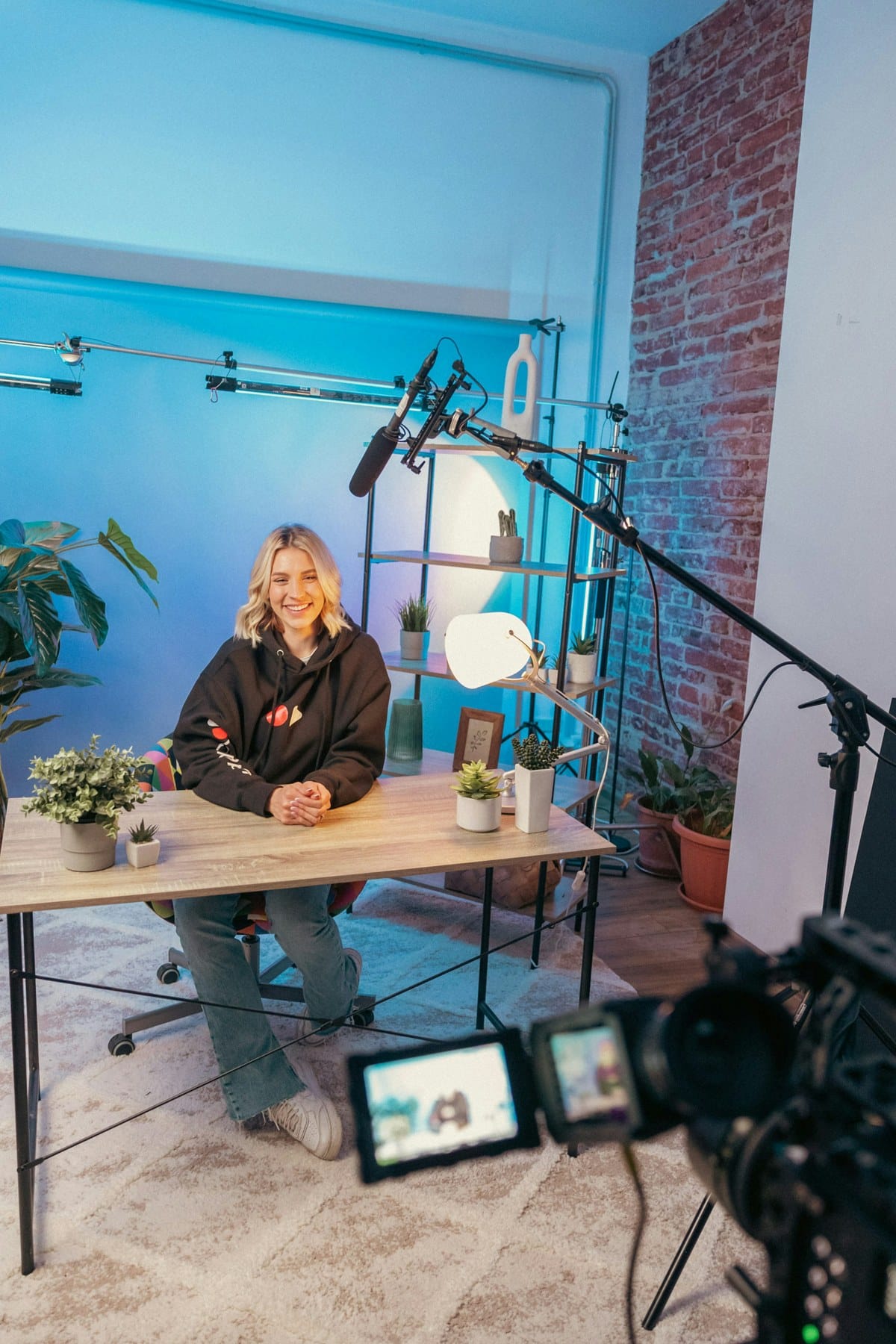
Film near a window rather than directly in front of a bright background. Check for unwanted reflections and clear clutter that distracts from the story. Record a short test before you film everything.
If your video includes speech, a quiet room often matters more than a new microphone. Listen with headphones. Record a second take if a passing vehicle or room echo makes the words hard to follow. Add accurate captions when you publish.
Edit for understanding
Start with your clearest moment. Remove repeated information, leave enough time for text to be read, and keep transitions simple. Watch without sound to see whether the sequence still communicates its main point.
Only use music, fonts, images, and footage you have permission to use. Do not make unsupported performance, health, or environmental claims about a product. A polished sample should also be an honest one.
Present your work with context
Alongside your video, write a short note with the objective, intended audience, your role, and the fact that it is a self-directed concept. Do not invent campaign results or suggest the featured brand hired you.
Three considered pieces with different storytelling approaches can be more useful than twenty unfinished experiments. Revise your portfolio as your skills improve. The goal is evidence of your process, not a promise of future paid collaborations.
Start small.
Make it your own.
You do not need to have everything figured out to learn one useful skill. Choose a practical next step, give it your attention, and keep your expectations honest.
Explore free core courses